Alibis and Witnesses X – Gary Edwin

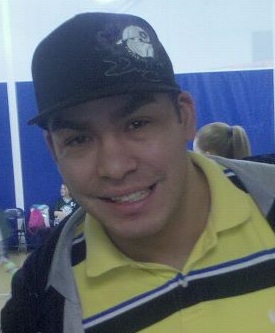
Gary Edwin is originally from Tanana, Alaska. He is the proud father of five, and works for Doyon Drilling.  Gary is arguably Marvin’s most important alibi. In 1997 he was 24 years old, working as a substance abuse counselor, and spent the evening with his wife, Marvin, and Angelo at the wedding reception at the Eagle’s Hall. His younger cousin Angelo Edwin,  spent the entire evening with Marvin. Both Angelo and Gary appear over and over in Marvin’s timeline which you can read HERE.
Through the years there have been many accusations from the community that the Native witnesses that came forward as alibis in this case had alcohol-affected memories and were conspiring to create a cover-up for the Fairbanks Four. It is important, then, to note that Gary was not drinking the night of the murder. It is also important to note that Gary and his brother Angelo went voluntarily and immediately to the police when they heard Marvin had been arrested for a crime committed that night, and that they had not had time to falsify a story, and in fact made statements before anyone knew the time that the assault had been committed against John Hartman (read more about the time of the crime HERE). In a nutshell, the prosecution’s contention that the alibis were either drunk or making up stories simply hold no weight whatsoever in regards to Gary Edwin.

Gary lives with a burden that is tragically not unique in this case – he does not need to read case files, newspapers, opinions, or rulings to know that his young friend was wrongfully convicted. For him there is no speculation of police misconduct, no question about whether or not the evidence in this case was manufactured – he watched it happen. He has never read the content on this blog, yet his story is painfully familiar. It is the kind of thing that a person never forgets. Below, he tells his story in his own words:

On That Night

“I spent the entire, well hours you know, of that night with Marvin. I would say from around midnight until at least 2 am, even later, when the reception ended. He sat with us at our table, and I saw him basically the whole night. Dancing, visiting, having fun.”

Note – Gary had a conversation with Marvin during the night at what ended up being a very critical moment, when 911 was called to bring aid to a beaten and shaken Frank Dayton (whose assault  you can read about HERE). Although no one, including the police, had yet established a timeline on the assault for John Hartman at the time Gary first gave the police this information, Gary was having a conversation with Marvin concerning Frank Dayton at the exact same time that Hartman was being beaten to death blocks away.

The Next Day

“The next day I went over to Marvin’s  he was, he sold me a pair of Oakley’s that he had gotten but didn’t like, and I had seen them the night before and said ‘well, I’ll bring money over for them tomorrow.’ So, I brought him the money had he gave me the glasses. He asked if I wanted to go up and play ball, and I told him I would go pick up Angelo on my way home and grab my ball gear, and meet him up at the SRC.”

Marvin was not at the SRC for the planned basketball game. By then he was sitting with the police, insisting that he was innocent and pleading with the interrogators to listen. Gary Edwin called Marvin’s mother.

“And then his mom asked if we had seen what was on the news. And she said they had picked up Marvin, George, Kevin and Eugene. And I was like, damn.

She said, ‘I thought you guys were with Marv last night.’

And we were like ‘Yeah, all night.’

I asked, what’d you guys do after the reception? And he told me that after they stopped by the bar or party they kinda drove around a little bit, that they went through the drive-thru, and then he dropped him off at home.

So, I was like, wow, you know, we need to go down to the police station and tell them, make a statement. We thought, of course, that was the thing to do.”

On the Interviews with Police

When we got down there, the detectives were acting pretty weird about our statements, we were like, “hey, we were with Marvin all night, you know from this time to this time.”

When I went in with the detectives that were taking my statement they kept trying to twist what I was saying. Finally it just came down to me just wanting to give a statement and get out of there. So was like, just give me a piece of paper and I’ll write it down for you. And I was so uncomfortable, I was writing it, but I was more worried about getting out of there.

When I got out to the lobby, Angelo came out of his room after me, and he was really shook up. And one of the detectives grabbed Angelo by the arm and was like, “You better make DAMN sure you know what you’re saying to be the truth, because we have a 15-year-old kid that’s been murdered and this is, this needs to be taken serious, or something to that effect.

When we left, Angelo said he experienced the same thing while being interrogated, or while he was trying to give a statement.”

On Why These Memories Remain So Clear Today

“You know, I went in believing I was doing the right thing. To show up and have people that are supposed to help and protect you, making you feel like you actually did something wrong, or you are involved in something that’s wrong, it’s….it is a real eerie feeling.

I was twenty-four in 1997, four years older than those others at least. I mean, more or less, we went in there thinking we were doing something to help the police, and by the time we left it was like, we wanted to run, just get the hell out of the police station. I was educated, and I wasn’t as afraid because I know my rights. But the young people that didn’t know their rights, maybe the only interaction they had with police officers was this, was bad, I totally understand how bad it must have scared them.

On What It Is Like to Watch The Case Unfold

It made me really fear Fairbanks Police, for one. I actually moved out of Fairbanks after all of this. Even when we were in Anchorage, when we were there to testify, that Detective and Jeff O’Bryant, they followed us around Anchorage. It was clear, always, trying to intimidate us. My cousin Patrick, they were hard on him. He couldn’t deal with all the harassment from them. It was…..it was unbelievable, but it was happening. Yeah, it changed, wow, it changed a lot of things….. those memories will always be there.”

$35,000 Reward in Hartman Murder/ Fairbanks Four Case

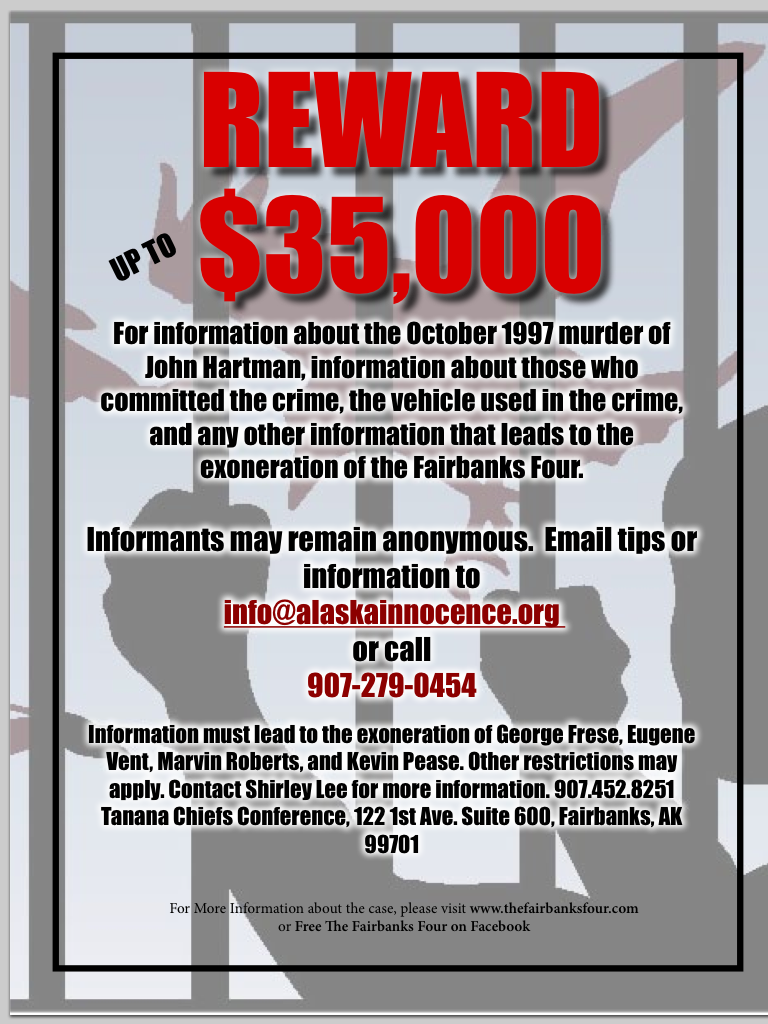
We have reached a very gratifying moment in this movement. In late November when the first post was written on this blog, the reward for new information in this case sat at $5,500. Through the generosity, work, and effort of the supporters who have been moved by this story to give, and through the ongoing support of Tanana Chiefs Conference, we officially announced today that the reward in this case has reached $35,000.00, which represents a 700% increase. That translates to $250.00 per day since we began. Thank you!! Your love, courage, faith, and determination to see right things in this world WILL free these men someday, and keep an untold many more from seeing the same terrible fate.

They key to exoneration for the Fairbanks Four through a new trial is for more people to come forward with information about the actual murderers. There are a multitude of reasons that informants remain quiet. Some have said they do not want to be snitches, and nearly all have said that they are afraid. It is not a hard position to relate to – anyone would be hesitant to double-cross a group of killers. But we believe that the reward money will do two things to encourage these people to step forward bravely – one, it will potentially provide them the financial means to move up in life, and out of a crowd of people who would view doing the right thing in this case as snitching. Secondly, we hope it shows that a whole lot of people are counting on them, and have their back when they do come forward.

The reward increase was announced today via press release, and featured on Alaska Public Radio. Coverage included an interview with Marvin, Eugene, George, and Kevin. We wish they had been able to use more of the their words, but time constraints kept the clips of them pretty short. We will post that interview as soon as it is available online.

In the meantime, share this reward information whenever and wherever you can! Through your work and through God’s grace it will reach the right person. Who knows? Perhaps your simple decision to bring this case up to a stranger at a bus stop, to tack a flyer to that cork board at work, to tell this story – any of those moments could be the ONE that this case turns on.

Thank you, every single one of you, for reading, speaking, donating, and acting. When life confronts us with an injustice the easiest and most common choice that human beings make is to do nothing. Yet, as we have quoted many times before, all that is required for evil to prevail is for good men to remain silent. Each of you is extraordinary in your choice to speak up, and each of you is having an impact. I want to tell you that this fight is nearly over. I want to tell you that all the days that lie ahead will be easy. I want to tell you that good has already prevailed. I want to name the day that you can gather together and welcome these men home, the day that racism is over, the day that the justice system is fully just.  But I cannot, and this fight may last forever, which makes it all the more worth fighting. All that is required for GOOD to prevail in this world is for people like you to find their voice.

ANYONE that has information, big or small, whether you are ready to talk on the record or want to remain anonymous is asked to email Alaska Innocence at info@alaskainnocence.org or call them at (907) 279-0454.

Witnesses and Alibis IX – The Mugging of Frank Dayton

Frank Dayton’s mugging was only one of the similar attacks that occurred the night John Hartman was killed. However, the beating and mugging of Frank Dayton is of incredible importance because of the part it played in the police theory of the murder and the part it played in trials.

In addition to being charged and convicted of the murder of John Hartman, the Fairbanks Four were also convicted of mugging Frank Dayton, primarily off the eyewitness testimony one man provided in exchange for leniency in the serious criminal charges he was facing. It was the only testimony that put the four together that night, or indicated that they were engaged in violent behavior of any kind. That testimony was made by Arlo Olson, and has since been recanted. We hope to post Arlo’s story, and are hoping that he will be able to tell it himself for us and keep with our focus on letting people speak for themselves. Either way, we will discuss Arlo Olsen’s role in this case at length very soon. For now, we will focus on Frank Dayton’s version of events. It is impossible to overstate how important Frank Dayton’s mugging became in the murder trial. In this post we will describe the mugging that Frank Dayton reported to the police and testified to in trial.

Frank was at the the wedding reception at the Eagle’s Hall along with hundreds of other guests. Sometime around 1am, Frank decided to walk a few block over to meet a friend. Much like Hartman, he was walking alone in the cold late night. He was soon assaulted in a disturbingly similar way.

Frank was in the 300 block of 1st Avenue when he heard a car rolling up behind him. He assumed that the car was slowed to a crawl so that it could pull into the parking lot he had just passed. When he turned around he saw the car. He described it as a four door light colored car (white, or a very light tan or gray). The assailants ran up to him and he was immediately tripped and knocked to the ground. His elbow, knees, and face smashed into the cold pavement. He made a movement to stand, but one of the attackers slammed their foot down on his right hand. Another stood over him. They kicked him in the side and back. As he lay with his face pressed into the pavement he saw the show standing on his hand – a white high top.

The attackers assaulted him primarily by kicking him while he was on the ground. They reached into his pocket and took the $20 he had. They then ran to their car and sped off, disappearing as quickly as they had appeared.

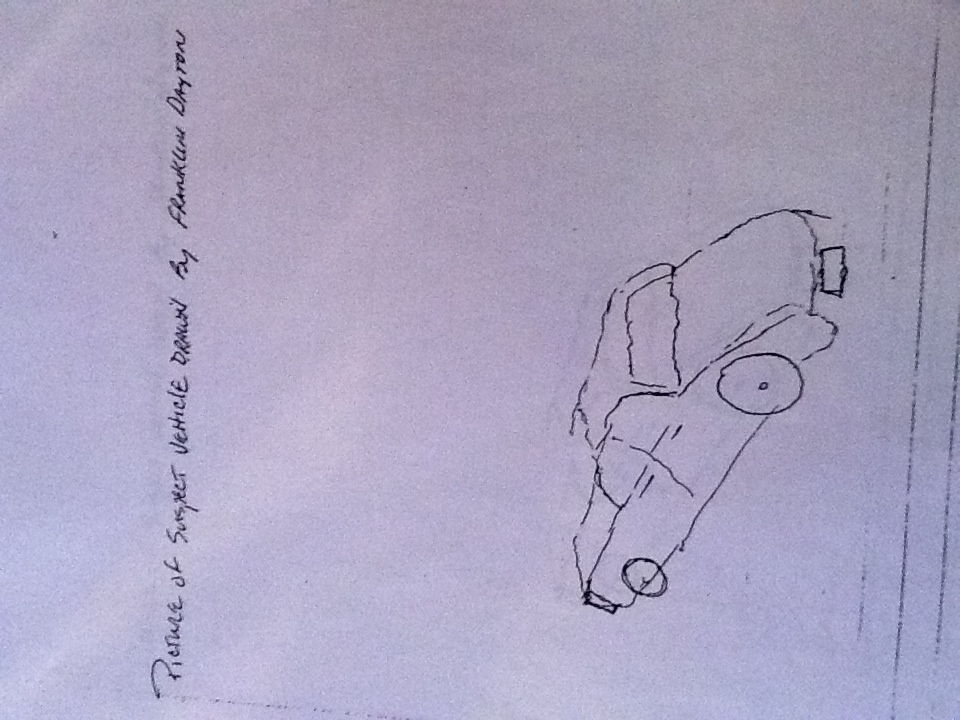
Frank was not able to describe his attackers, it had all happened fast and in the dark, and he was held face-down to the ground during the beating. He was able to see and remember the car well, which he described as a “good-sized” light four-door sedan. Frank even drew a picture of the car for the police, which is pictured above.

In the police theory, they surmised that the Fairbanks Four – Kevin, Eugene, Marvin, and George – had gone on a violent beating spree that night attacking people at random. Indeed, there is a distressing theme in the violence that occurred that night. Three others reported nearly identical attacks which you can read about HERE. In those attacks the eyewitnesses or victims also described a light four-door sedan as the car, but the others were able to provide a better description of their attackers, and across the board they ALL described four young African American men in that light car, getting victims to the ground, kicking them, and speeding away.

Frank Dayton was wearing a leather jacket than night. One that likely had the palm and fingerprints of his attackers on it – Frank offered it up to be tested, and the investigators declined to take it. There are a lot of opportunities lost in this case – Frank Dayton’s jacket was one of them, but much like Conan’s pager (read about that HERE), yet another opportunity to collect that evidence was passed up. It is a theme in the case that is disturbing to say the least.

After the beating, Frank Dayton returned to the Eagle’s Hall, where his sister in law Susan Paskavan called 911. The call is logged at 1:34am, roughly the same time that the assault on John Hartman ended.

Prosecution and police relied on a theory that the Fairbanks Four beat and mugged Frank Dayton, then drove the several blocks to 9th and Barnette and fatally beat John Hartman in a similar way. There are many holes in that theory, but here are some of the most important ones:

* Frank Dayton’s attackers drove a light full-sized four-door sedan, Marvin drove a bright blue two-door tiny car.

* None of the four were there. Read their timelines for more details (MARVIN, GEORGE, EUGENE, KEVIN).

* Marvin was at the Eagle’s Hall when Frank Dayton returned and 911 was called. Gary Edwin testified that he KNOWS Marvin was there at the time because as Gary was leaning over the injured Frank Dayton, Marvin approached him and said, “What happened?” Gary responded that he didn’t know and was trying to figure it out himself.

* None of the four were wearing or owned white high-tops. The shoes that the police collected from the men were listed as brown boots, black boots, and black Nike Air tennis shoes. NO white high-tops. Remember that George, Kevin, and Eugene were all arrested in the shoes they had worn. Marvin’s house was searched and all of his shoes were taken.

* Frank Dayton was Eugene Vent’s cousin. It seems unlikely that Eugene, a person with no history of violence, would attack anyone, but especially his own family. It also seems unlikely that Frank Dayton would not recognize his young relative. It also seems unlikely that Frank Dayton would not be able to identify the suspects as Native given his level of familiarity with a Koyukon Athabascan accent.

* Frank Dayton himself believes the Fairbanks Four are innocent, and KNOWS that they are not his attackers. He said this on the stand, and has said it for the last 14 years.

Despite all of this, the Four would eventually be tried for the mugging of Frank Dayton and the murder of John Hartman in one trial. Juror’s would later say that Arlo Olson’s testimony, which convinced them that the Fairbanks Four were guilty of mugging Frank Dayton, was one of the biggest factors in them finding the men guilty.

Didn’t Do It – Poem by Eugene Vent

Eugene Vent, a short time before he was wrongfully convicted of murder.

Below is a poem by Eugene Vent. We included a picture of both handwritten pages and typed it for easier reading as well. Imagine the incredible grief and pain that would come from being wrongfully accused and incarcerated. All of the things you cannot do – hug someone, stand out in the snow and see the lights, eat a meal, run into a friend, hold a hand, see you home, your family, stand on the banks of the river. For Eugene that river would be the Koyukon. A few days ago I found myself heartsick for that sight – I haven’t seen it in a few years, and then it dawned on me that Eugene has not seen the places he yearns for in over 14 years. Freedom is everything….freedom is the foundation on which nearly all things in life are built upon. All things except, perhaps, faith. These four young men have seen nothing but injustice, have been the victims of the worst in people. Yet, there they sit, with absolute faith. Faith in destiny, in love, faith in the goodness of people, faith in their friends, family, supporters, faith in prayer, FAITH IN JUSTICE. So much of their strength comes from all of you. We were blessed with two successful fundraisers this week, and are blessed with incredible generosity from so many people. To hear their story would cause anyone to lose faith, but to see the legions of people band together and fight for them restores it. Thank every one of you who reads, donates, hopes, and prays for these men. It keeps their hopes high, their faith strong, and someday soon we hope it WILL bring them home where they belong.

                                           “DIDN’T DO IT”

                                            by Eugene Vent

“Didn’t do it,” that’s what I told the detective, but still he chose to put me through it.

“Didn’t do it,” told my mother and she believed me – continued to have my back like countless others.

“Didn’t do it,” I told my first lawyers. “Take a deal,” they’d plead, instead of fighting like warriors.

“Didn’t do it,” what I told the judge, NOT GUILTY what I pled…..and on that I’ll never budge.

“Didn’t do it,” I told my trial attorney and he told me it could end up being a very long journey.

“Didn’t do it,” I told the D.A., and also the jury…..when found guilty I felt so much fury.

“Didn’t do it,” I told the judge that was going to sentence me…ultimately got 48 years in the penitentiary.

“Didn’t do it,” what I told some antisocial human beings, they didn’t care because they’re heartless machines.

“Didn’t do it,” I told the Parole Board that continued me to 2014; just another chapter in the saga that I know will end in the freeing of the Fairbanks Four!

“Didn’t do it,” what I tell anybody who will listen and do something with it.

“Didn’t do it,” that is our story and we will forever continue sticking to it because the Truth always comes out in the wash.

Thank you so much for reading this, I always loved poetry and being able to create my own style in writing it. Thank you to everyone for cooperating in this battle and never quitting, even in the hardest times.

I believe in the efforts of all of you, I feel extremely confident it will pay off soon and we can finally get what we truly deserve……Freedom.

Baase’

Your Friend,

Eugene Vent

"Didn't Do It" by Eugene Vent, p. 1

Love Gonna Bust Me Out – A Letter from Kevin

Kevin has spent many years in silence. In the early media reports in  and in the press coverage throughout the trials Kevin was relentlessly attacked, more so than the others. The police pushed this media agenda, because in their theory they considered him the ringleader.  It was amazing in a way to watch it unfold – to watch him remain quiet and outwardly calm while his world crumbled around him. Steady.

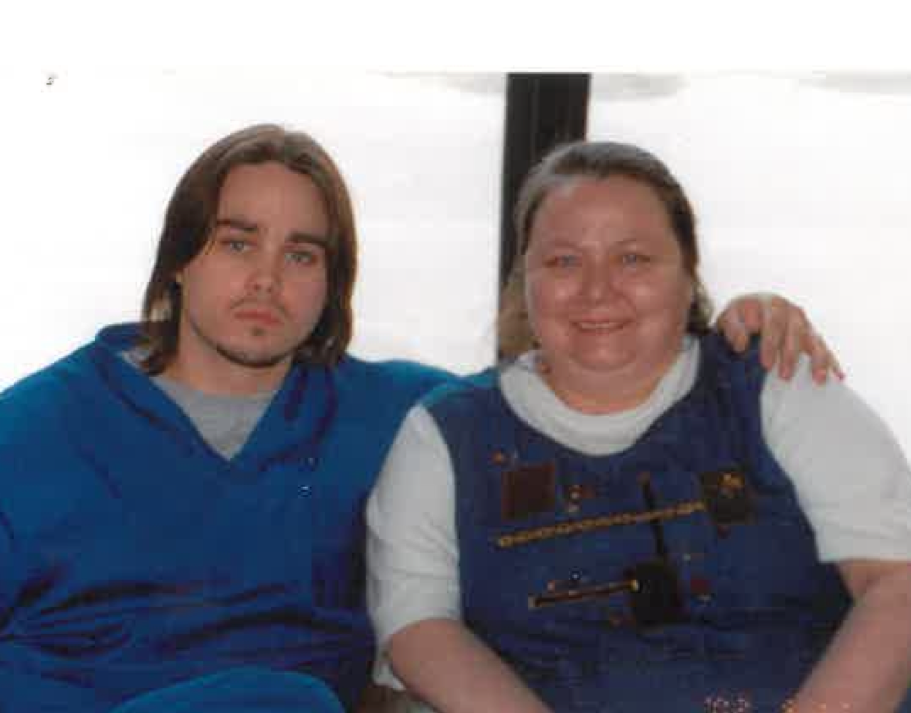
After his conviction, many people stood behind his claim of innocence, but none as strongly or courageously as his mom, the late Carol Pease. He is pictured with her here. It is hard to imagine the grief that Kevin has had to live with. He lost his father a short time before being wrongfully accused, and his mother shortly after his wrongful conviction, all as a very young person. Yet, amazingly, through all of this his faith remains strong.

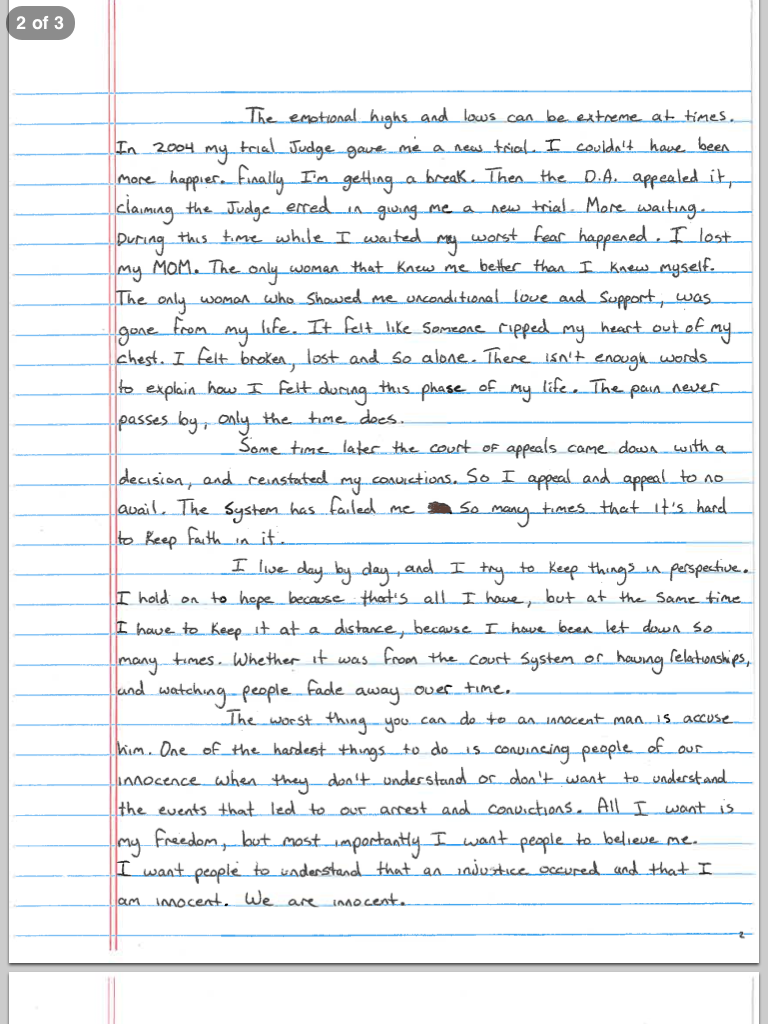
In this post, Kevin tells his own story. Like with the other letters, the truth in his words is palpable. Painfully clear. Facts, documents, transcripts, legal opinions, and the like abound in this case, and they all back up the claim that these men are innocent.  Still, nothing makes that statement as poignantly than the truth in their own words. Here they are:

PLEASE, if you or ANYONE you know has information about the case call, write, email or do anything you like, just do the right thing. The best person to bring new information and tips to is Bill Oberly at the Innocence Project in Anchorage – 907-279-0454. His email is info@alaskainnocence.org and tips can be made anonymously.

If you were involved in any way in this case, please consider coming forward today and submitting your OWN story. These pieces build a picture together, and each piece is important. Contact US on the Facebook page.

HATE, indeed, put these men in prison, and LOVE will set them free someday. YOUR LOVE, courage, and support, to be specific. So keep it coming!!! Sign the petition, join us on Facebook, and spread, spread, spread the word. We send these pages back to the boys, so feel free to add a comment for Kevin below.

Blood in the Streets – Other Crimes that Night

Who killed John Hartman? We don’t know. And if this case has taught us anything it is that accusations of this seriousness should not be levied lightly. But from the beginning, evidence has pointed firmly away from the Fairbanks Four and toward attackers that have not yet been identified. Over the years at least two serious theories have emerged among readers –  this post outlines one.

One of the most stunning elements of the investigation and arrest of the Fairbanks Four for the murder of John Hartman is that there was no shortage of evidence pointing away from them. In fact, on the night of October 10 into the early morning hours of the 11th, there was a litany of violent beatings and robberies. The victims of these attacks described their attackers as four African-American men in a light-colored four door sedan. These crimes were sickeningly similar – multiple assailants violently kicking and robbing victims who were vulnerable and on foot. They shed terrible light on what John’s terrible last moments may have been like.

Robert John was walking down the road late in the night of October 10th when a light-colored car pulled up behind him. When he turned around, three African-American teenagers jumped out of the car and began a sudden unprovoked attack on Robert John. They attempted to knock him down and began kicking him. They were not successful in knocking him down, and he escaped. He walked into Pastime Card Room, badly shaken, and told Rubin Sam the details of the attack.

12:15 am (approximately) While walking out of Spade Room, Raymond Stickman saw a sight that he will never forget. An older Native man was on the ground, clearly just assaulted, with three young African-American men wearing dark-colored clothing surrounding him. The assailants took off running, jumped into a car with a waiting driver, and sped away. The Native man got up and went into an adjacent building – Raymond Stickman followed him in to be sure he was okay, and the man told him that he had been knocked to the ground and kicked by the group. It is unclear whether he was robbed.

1:00 am (approximately) Frank Dayton left the reception at the Eagle’s Hall and walked along the south side of First Avenue. He was violently assaulted and robbed about ten minutes later. According to Frank, he heard a car rolling up behind him at a slow speed and assumed it was pulling into a parking lot. The next thing he heard was the rapid approach of feet. He was knocked down to the ground, and struck his right knee, elbow, and head on the pavement. One of the attackers stepped on Frank’s right hand, and Frank was able to see a white high-top shoe. While he was pinned to the ground they kicked him in the side and back. One of the  attackers reached into Frank’s pocket and stole the $20 he was carrying. His attackers rushed back to their car and pealed off. Frank Dayton described the car as a large white or light tan four-door sedan. He did not see his attackers. The only details that he was able to provide were the exact location, the description of the car, and that one assailant was wearing white high-top sneakers.

1:30am  Frank Dayton arrives shaken and injured back at the Eagle’s Hall. His sister-in-law calls 911 and the call is logged at 1:34am. Multiple witnesses place Marvin Roberts at the Eagle’s Hall during this 911 call (you can see his timeline HERE).

1:30 am  A few blocks away from the site of Frank Dayton’s attack, John Hartman is beaten to death. The wallet he had with him was never recovered, making it seem as if he also was robbed. The attack on Hartman lasted only five minutes (read about the attack HERE and read his timeline HERE).

Don Moses is a non-drinker and his memories of his attack are still clear these many years later. Don was attacked in the early morning hours of October 11th as well. His attackers pulled up in a car, and four men got out and rushed toward him. He said while recounting the incident, “I have never done anything like this in my life before, but I rushed back at them as if I was ready and willing to fight.” His instincts told him that his life was in danger. At the same moment, sirens rang out nearby. The attackers reacted to either Don’s bold posturing, the sirens, or both, and ran back to their car and drove off. Don does not know the exact time of his attack, but the chilling possibility exists that the sirens in the distance were the ones called to an ailing Frank Dayton, while just a few streets over John Hartman lay unconscious.

Ultimately, the night that John Hartman was murdered was a cold and bloody night on the streets of Fairbanks. Hartman will never be able to describe his attack in his own words. But several others were attacked at random that night and were able to relate the experience, and through them a troubling and uninvestigated thread emerges.

These attacks point to another early investigative failure. ALL of the listed attacks were known to investigators and the DA, and more may have occurred and gone unreported. When at least four similar attacks take place in the span of a few hours with three victims living and one fatally wounded, it is incomprehensible that investigators did not pursue the young men or the getaway car described. But, they did not. With an abundance of evidence indicating that they should be looking for four African-American teenagers in a light-colored four-door sedan, they arrested The Fairbanks Four one at a time through happenstance encounters, with no evidentiary indication that any one of the four had committed the crime. They would eventually enter into evidence Marvin’s bright blue two-door car and four pairs of shoes, none of which were white high-tops.

At least one person reading this blog KNOWS who killed John Hartman. Someone went to high school with these teenagers cruising in that light sedan. Someone remembers. Someone suspects. No information is too small. No gut instinct should be ignored. At least one person, and probably many more, can step forward anonymously and write an ending to this story. Change it from a tragedy to a triumph. Please, please, do.

COMPLETELY ANONYMOUS tips can be emailed to info@alaskainnocence.org or called in to the Innocence Project at 907-279-0454

Blank Tape: The Science Behind Alcohol Induced Blackouts

When I was a young kid VCR’s were the newest, coolest standard in technology. I remember thinking that you could tell a kid was rich if they had a Big Wheels car, and that they were really, really rich if they had one of those cars and a VCR.

Eventually my parents came upon some kind of windfall and we got one of our own. Then our neighbors brought their VCR over for us to borrow, along with a bunch of movies. It was quite the sight to see. There were cords everywhere – one VCR stacked on top of the next, packages of blank tapes, this bizarre recording machine built by my father, which he controlled with the carefully timed pressing of buttons. The setup was supposed to work like this: one VCR played the movie, the other one recorded it. All the blank tapes would soon be full of free movies.

My dad stayed up all night copying films, including E.T. I hated that movie, it scared the crap out of me, and I was absolutely horrified to think about my sister being able to watch it whenever she liked. So, when my dad took a quick break to the bathroom I walked to the VCR tower and pulled a few plugs, effectively disconnecting the communication between the two VCRs. When my dad came back he sat on the couch and watched the rest of E.T. convinced it was being recorded. From the outside, it was impossible to tell that the movie wasn’t being transferred. When my sister eventually sat down to watch it, the first bit of the movie was there, and then without notice, nothing. Complete black nothing.

Alcohol blackouts work exactly like that. The film cannot be played back because it was never recorded.

Blackouts are a simple phenomenon in many ways: if you get drunk enough, alcohol interferes with the creation of long-term memory. Short-term memory is like this first VCR, playing the movie. You may be able to engage in physically or emotionally complex actions, and your brain will use the information around you to continue functioning, but it simply will not convert the information into long-term memory. Long term memory is like the second VCR. The movie is playing on the screen, the record button is blinking, everything appears to be working just fine, but that last drink essentially disconnected the two VCRs.

One thing scientists do not understand is why some people experience blackouts and other people do not. There have been studies of all kinds, but they do not provide a simple answer. It is controversial to make the statement that Alaska Natives or Native Americans experience blackouts more than other people, but there is some evidence that that is the case. The only thing I can say is that I myself blackout completely when I get really drunk. Not every time, and I cannot say what causes it to happen and what prevents it. That is, of course, not a scientific study, just the unflattering truth. I don’t know if my ancestry or some other factor is to blame, but I must have played the locally popular drinking game upriver-downriver hundreds of times in the 90’s, and I can’t remember the end of one of those games to save my life. Which is why it was easy for me to understand that George and Eugene, both having drank in that fashion, had blacked out at points in the night.

I never questioned whether or not blackouts were scientifically proven because I didn’t need to – I know they are real. I grew up around people who experienced them. Family, friends, and myself. I was raised with that truth. But if it is the case that most people do not experience blackouts, it would explain why so many people do not believe that they happen, and I want to address that. I would also like to ask a favor of readers – if YOU have blacked out, comment about it, anonymously if you like. I think it is important for skeptics to understand what many of us know, which is that alcohol related blackouts happen. The scientific verdict came in a LONG time ago regarding alcohol induced blackouts – they are absolutely, completely, totally real.

So, why a post about blackouts on this blog? Because alcohol induced blackout is an important issue in the case of the Fairbanks Four.

Let me start be reiterating that, although George and Eugene both drank heavily the night of the murder, both WERE certain of their whereabouts at the time of 1:30am (read their timelines HERE and HERE).

NO ONE in this case was blacked out at the time of the murder. NO ONE in this case was unsure about where they were at the tie of the murder, and even though they were young, drunk, and terrified, correctly stated their whereabouts, which were verified with alibis, for that time frame. But when they were interrogated, the police did not have any idea what time the crime had taken place but appeared to be working on a theory that it had happened much later. So, even when Eugene and George eventually agree to the interrogator’s story, based on times alone these incriminating statements still would not be accurate. However, it is important to understand how alcohol related blackout effected the investigation.

Both George and Eugene had been drunk enough that they felt they could not be 100% sure of their every move that night. Both had experienced blackouts in the past, and were open to the possibility that they may have been somewhere that they didn’t remember. But they were interrogated by police officers who insisted that blackouts were fiction -“scientifically impossible” and that continuing to state that they were unsure where they had been, that there were blank spots, would result in the police “filling in the blanks with the worst thing.” (Read about their interrogations HERE and HERE).

While investigating and interrogating the Fairbanks Four Detective Aaron Ring took a stab at being a scientist and lectured in great detail about the science behind blackouts. According to Detective Ring, only “people with Alzheimer’s and old alcoholics” could have blackouts. While interrogating George, he said simply, “You can’t have a complete blackout.”

The officers then moved on to stating a long litany of made-up evidence. For hours and hours they told these intoxicated and terrified young men incredible lies. Among those lies were statements that there was scientific proof that they had been at the crime scene. That their friends said they were there. That people very close to them said they had committed this crime. So, ultimately, these two were left in a terrible predicament: the honest answer, that they could not be 100% sure of their movements, was recast by the interrogators to be an admission of the worst kind of guilt, and would not be accepted.

At the end of the day, their consumption of alcohol left them especially vulnerable to interrogation techniques that can produce false confessions from sober people with no questionable memory. The officers involved should have never used the interrogation techniques on people so young, intoxicated persons, or any person who admitted that their memory of a night was compromised. The specific interrogation technique, the Reid Model, is highly controversial, banned in many countries, and KNOWN to lead to false confessions, especially in young people. Given the severity of the interrogation and the circumstances, it is a wonder that only two of the four relented under it.

Below are some resources on the science behind alcohol induced blackouts for those who are interested in my sources or want to read about this subject on their own.

http://pubs.niaaa.nih.gov/publications/arh27-2/186-196.htm

http://news.wustl.edu/news/Pages/747.aspx

http://addictionrecoverybasics.com/alcohol-blackout-types-of-alcoholic-blackouts-how-they-work-and-consequences/

Sites/ Studies Looking Specifically at Alcohol Related Amnesia in Native Americans/ Alaskans

http://www.wellbriety-nci.org/Publications/myth.htm

Click to access 4%283%29_Wolf_Commentary_on_Alcohol_Policy_new.pdf

Click to access 2%283%29_Wolf_The_Barrow_Studies_new.pdf

Trail of Tears – Witnesses and Alibis VII

Shara David was fifteen years old in 1997. She spent the evening of October 10th and early morning hours of October 11th with Eugene Vent and Kevin Pease. Shortly after the police apprehended the four, they went to the Goebel residence where they interviewed Shara and others for a first time, and second time. These first interviews were not on tape. A last interview was taped. Shara describes these interviews as one of the worst experiences of her life.

The police used an interrogation technique, known as the Reid method, to interrogate the four suspects. This method is highly controversial, and illegal in many countries because it is so psychologically unraveling. Damaging. It is implicated in many, many false confessions. The method should really, if ever, only be used on suspects that interrogators know are guilty, and certainly not on youthful or intoxicated suspects. It should not have been used on the Fairbanks Four.  But what is really heartbreaking and unique about the case of the Fairbanks Four is that this method was not just used on the four accused – it was used on those who came forward with stories that contradicted the police theory. It was used on kids that the police knew were innocent. On children, whose parents were not present. Shara was one of those kids.We should all remember that although we hear from people who are adults today, in 1997 many of them were just kids.

Shara cried through both interviews, has been haunted for years by her treatment and the experience of watching this wrongful conviction unfold. Her story is a reminder that so many tears are shed, and that so many people heartbroken in the pursuit of injustice. The experience changed her life and hurt her badly. It is brave, very brave, and admirable that she agreed to tell her story. Here it is:

On That Night

It was just a normal night. A fun night of going out and everything. If this wouldn’t have happened the memories of that night would be just a normal night of going out.

After all these years of trying to forget there are so many things I don’t remember. Mostly little details. Like what it was like at the party at Kevin’s house, and how it was, or who all was there. But I know it was me, Kevin Pease, Kevin Bradley, Shawna, and Eugene. And Joey, he drove.And the things I remember well, its like vivid.

When we were driving back, like toward the Eagle’s hall, I saw a clock. A digital sign clock, I guess it must have been on University and Giest. And I saw that clock, I saw the time. I was so sure. All these years later I don’t remember for sure what it said, two something maybe, but I know that in that first police interview I KNEW. I was sure. So insistent when the police first talked to me about the times. Its been years, all these years of trying to force myself to forget but there are some things you can’t get rid of. Like that clock. I know I saw the time, and when I told them that first time  I know I was right.

We got back to the Eagles and it was late. Like, from the time that we first pulled up to the Eagle’s and then drove over to Conan’s and back, and were at the Eagle’s for a while. All of that could not have even taken an hour, from when we first pulled up to the Eagle’s to when Marvin gave me a ride. It was so fast.

Another memory that is so clear is that at the Eagle’s Eugene was standing at the door. He was so drunk that he was swaying and leaning on the door. He kept asking every woman he saw to dance with him and we were like clowning on him about it. He was so drunk and just asking everyone to dance, and we were, he was our friend, our boy ya know, but we were clowning on him about that. It was funny.

I got a ride out of there from Marvin. And he was sober. He was sober and everything was fine, normal. Him, his car. He dropped us off at Conan and Shawna Goebel’s house, Allen and I.

We were there for a while – I think probably not much more than an hour. And what I remember about Kevin coming over there was we heard his three wheeler pulling up. Allen and I were sitting on the couch. Kevin never really got that drunk, so it was kinda funny you know. He came in just blabbering and laughing I think about something, and kinda fell back. And we were like, what the hell are you doing driving?

And it was dark, really dark, and late. So he was kinda rolling around laughing, we were just, it was funny. And that used to get to me after the cops kept saying maybe he was crying, maybe….that used to get to me sometimes, but in reality it was planted. The cops just tried to drill things into your head, to like make you doubt your memories.

But I know I was with Eugene, I mean, the whole time, the whole night. Even without perfect times, I know it was from early, that whole time at Kevin’s party, and then at the Eagle’s. And I was with Kevin the whole night, too, except for when he was at his mom’s but after that he came to Conan and Shawna’s and passed out there. And so I have always known, I mean KNOWN, that they are innocent.

On Being Interviewed By The Police

They came I think it was that next day. The evening I think, and they talked to us. It was not an interview. It felt like an interrogation. I don’t even know how to describe it. It was scary, terrifying. I was crying and crying. I agreed to talk to them just to, you know because I should. You know this is how young I was, that it scared me to tell them that Kevin drove because I thought he would get a DUI. I told them, but that is how I guess naive I was that I thought like the worst trouble, that maybe I could get him in trouble for driving. But when we got to times and everything is when it turned so bad. I was just saying the truth, all I remembered about the night. Calling me a liar, the way they treated me, it was terrifying. I thought they would take me to jail, I thought that they would take me away. That there was nothing. Nothing. I can’t describe it.

The second interview then they were just trying to mess me up. To drill their times into my head, to make me unsure about everything. And it did. I was scared, and I thought that they were going to take me away. I was crying, and it was just bad.

On the Call From Kevin

“The police tried to make it like, they said that Kevin called and told us to lie. But didn’t. That wasn’t how the call was at all.

When Kevin called it was after the first time when Aaron Ring was there. He said how he had made a huge mistake when he lied, that he had told the police he was with his girlfriend all night, that he shouldn’t have. I did tell him that it was so scary, how bad it was they way the police were talking to us. He was, really, he was just reassuring to us. He told us to just stick to the truth, and he felt bad about the way, how the cops had been to. He said just keep your head up, tell the truth. He was always that kind of person, I don’t know, just watched out for you. And he said, tell the truth. He never, ever, never asked us to lie.”

On How the Experience Affected Her

“After they were arrested, I honestly thought they would get out. I knew they were innocent, so I honestly thought they would. I was young, all I thought was that justice and cops was there to bring real justice. Now, I understand that there is a lot of wrong in the world. It’s like, I thought the cops were there to protect us, so I thought they were there to do the right thing. That they would do the right thing. Learning that that is not true, it’s hard.

I have always known they were innocent. It changed me. It changed my life. It sucked so much until I forced myself to block it out…it was really hard on me at first. For a long time. Them going to jail and being innocent, me being interrogated and it was so terrifying, it as just a lot for me. Them calling me a liar and all that stuff. And just the fact KNOWING that your friends are innocent and you can’t do nothing about it.”

On Deciding to Come Forward Today

I always kept up on it, the case and articles, at first. For a long time I thought honestly they would get out. But eventually I had to let it go. So for a long time I just have blocked it out.

And then when you and Ricko emailed me, I kinda thought it over, I talked to my sister for a long time and I’ve thought and thought and I finally decided that this is a big issue in my life, and I really need to not sit here and do nothing.It was something so hard to remember, to deal with it, that I worked, I really worked at blocking it out.  But eats at you. That’s why it’s so hard.

I dream about it.  I used to dream about it ALL the time. I can’t even remember the details of the dreams, just like fear. Fear, nightmares. Especially from getting interrogated. I felt like I was being arrested. Nightmares because of the helplessness of it.  I felt like I couldn’t do nothing, nothing to help. So I tried to forget.

I was fifteen then, and now I’m 30. I hated him. I hated Aaron Ring for a long time, a real long time. I don’t hate them anymore. I’m an adult, so I choose to believe that they were trying to do their jobs.  I think they need some intensive training on how to interrogate people, that what they did to us, it should never be done to anyone. That they were the total wrong people to deal with the situation at all.

I wish I wouldn’t have been so young then. I wish I wouldn’t have been so scared. They scared me so bad, but I wish I had sat there and stuck up for the truth, been more persistent. Just not be scared. I wish I had sat there and stuck up for my friends better.

I am an adult now. I want to say that these men are innocent and I KNOW that. I was there, and that there is no way they did this crime. I was so scared back then that they were going to come take me and put me in jail. Now that I am older, I just want to say that I know for a fact that I saw that clock, that I was right, that I was with them that whole night. So it’s hard, but for me to sit here now as an adult and KNOW that this is just wrong, I have to speak up. This hurt me so much, it changed me. And it’s still hard, you know, to talk about. But I want to say that these guys, they are innocent.


We cannot applaud Shara enough for sharing her story. There are many people out there in our community who have information about who killed John Hartman – information that could change lives and heal wrongs. You can come forward completely anonymously by calling 907-279-0454, or if you wish to come forward and give your name, be eligible for the ever-growing reward for information in this case. If you OR ANYONE YOU KNOW has information about the Hartman case, please come forward.

If you want to see Shara in Eugene, Kevin, and Marvin’s timelines, she’s there!

I Shall Be Released – Video Post

This short video covers the most basic information about this case. This is a great thing to pass along, link to, post on Facebook, tweet, text, and spread far and wide. Many people who do not have the time to read the case files have three minutes to watch a video.

The soundtrack is I Shall Be Released as sung by Walter Trout and the Free Radicals

They say everything can be replaced

But every distance is not near

So I remember every face

Of every man who put me here

They say ev’ry man needs protection
They say ev’ry man must fall
Yet I swear I see my reflection
Some place so high above this wall
I see my light come shining
From the west unto the east
Any day now, any day now
I shall be released

Standing next to me in this lonely crowd
Is a man who swears he’s not to blame
All day long I hear him shout so loud
Crying out that he was framed
I see my light come shining
From the west unto the east
Any day now, any day now
I shall be released


Alibis and Witnesses V – Paging Conan

As near as anyone can tell the whole town of Fairbanks spent part of this night paging Conan Goebel. We do not know how to reach him (maybe someone still has his pager number?) to see if he wanted to make a statement today, but he figures enough into all of the timelines that he is well worth a mention. Beyond that, Conan has two other important roles in this case.
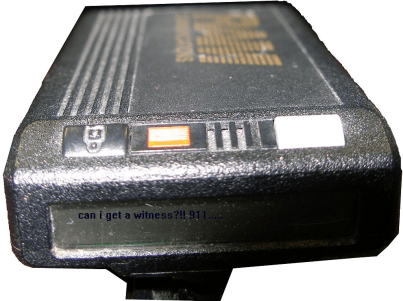
Conan’s pager had the potential to be a really solid alibi, and potentially an alibi for all four. It could have been the only common alibi, since although they spent the critical hours of this night apart, someone was always paging Conan. As far as we have seen, there was never any attempt to track down this data. But his pager would have been an ideal time-stamp on many people’s whereabouts. We have no idea why this information is not available, could be that it was not possible, could be that, like many other pieces of information that contradicted the investigators’ theory, it is either “missing” or was never pursued. Conan did offer the pager information to detectives, and surely the records if they existed could have easily been obtained. His pager is such an important witness an entire future post will be the pager’s timeline.
Aside from his pager Conan, like many others, was interrogated with high-pressure techniques when he was interviewed. As with other interrogations, which you can and should read HERE, Conan was given the good cop/bad cop treatment, and they tried to pressure him into admitting he was an eye-witness to the crime. Again, they gave him two choices:  Admit to being an eye witness; or, risk becoming a suspect. They cited false information, telling him that multiple people had implicated him, that his friends said he was there, that he had details of the crime not yet known (of course, none of this was true) and suggested to him that he had been blacked out (if you can undermine a person’s own memory of their movements it is much easier to persuade them that they were involved).
This technique failed quite terribly on Conan. And it is refreshing, because it worked painfully well on too many people.
Conan’s interview is one of our favorites, because when the investigator said things like, “Your friends think you were there.” He said things like, “I don’t think so.” He was just the rare example of a person who saw right through the manipulation. He asks them repeatedly about the obvious holes in their theory:
  •   How could a person across town have done this?
  •   Why would they ever think people like Marvin or Eugene had done this?
  •   George or Kevin?
  •  Why wasn’t George’s foot hurt when Conan saw him at around 3 am?
  •  Why were all of them behaving normally, in a good mood?
  •  Why weren’t they covered in blood? Why hadn’t they told him or anyone else about a fight?
Conan was a common link between the four because he was friends with each. People always ask why everyone was paging Conan. It seems he was a popular guy, and on a hopping night, everyone just wanted him to come out. Another distinct possibility –  maybe everyone was paging Conan just because he’s kind of a badass.
We will post his interview in its entirety at the bottom, but have to share a few stand-out  quotes here:
Conan:  Well, I can’t say it’s them.
Officer:  His pants pulled down.  Raped, and left in the gutter, okay.  Now, if that was your friend, okay –
Conan:  I still wouldn’t blame these kids for something that I don’t know.  See, there’s – I can’t tell…
Officer:  That’s why you’re not the police and you’re not investigating this –
Conan:  Thank God, ’cause I wouldn’t want to be working your job.  
    
We are glad that the officer explained to Conan that his unwillingness to finger someone for murder without evidence or motivation is why he would not make a good investigator.
After Conan admonishes them for making such a serious accusation with such little evidence, he gives Detective Ring and the other officer the boot. He tells them that they should not be showing up at his house, being disrespectful, and harassing him. It clearly makes them mad, and the officer gives Conan a little speech about owning the streets:
Officer:  Well, let me tell you something here.  These are our streets, okay.
Conan:  Right, man.  They’re my streets too.
Touché. And you know what? They ARE our streets! Where can we get a Team Conan t-shirt?!
Well, beyond his encouraging attitude and very early “Free the Fairbanks Four” work, Conan was an important witness. Conan saw all of the accused this night. His girlfriend was at the house party with Eugene and Kevin, which is why he was being paged from their location. His sister was there as well.  Kevin was dropped off at Conan’s house after the house party, and walked to his mom’s from there. After he got in a fight with his mom, Kevin rode back to Conan’s by a three wheeler and spent the night there.

For the purposes of this transcription “G” will be Conan Goebel, and “O” will be officer. (transcript does not confirm that one of the officers is Aaron Ring. We are operating on a hunch when we assume that it was him)

Goebel:  All right.  So, I gotta go over this all over with you?

Officer:  Yes, just where you were Friday.
G:  11:30, around 11:30, I got dropped off at, um – Over by the 21st Avenue at my cousin’s house (inaudible).  And, uh…

O:  Well, who dropped YOU off?  I think that’s one of the questions.
G:  Chrsty Moses and – I answered this.

O:  I understand.  That’s why I’m taking notes this time.
G:  And Kevin Pease and um…

O:  Okay.

G:  Dropped me off
O:  Was Eugene I the car at that time?

G:  No.

O:  Okay, 11:30?
G:  Yeah, it was probably around 11 – 11:30.

O:  11 – 11:30, okay.  What’s your cousin’s name again?
G:  Samantha.

O:  Samantha, okay.  And how long did you stay there?

G:  Till about 2:30, 2, I think.

O:  Two?  2:30, okay.
G:  Could have been (inaudible).  ‘Cause I know I went to town for a while.  It might have been earlier when they dropped me off the first time, or when they dropped me off the second time (inaudible).
O:  What do you mean, first and second time?
G:  Well, they dropped me off the first time and I stayed there for a while, and then they took off.  Then it’s just those people right there, and then they came back, and, uh, I got – I went – I come to the van with them and we went and picked up Eugene and Nathan.  They were at Eugene’s house.  And then we drove back over there and then they dropped me off right there, but I told them when they were looking for a place to go I (inaudible) take the car back.  So, I was like, well, you can drop me off at Sam’s house.
O:  Well, see, okay.  That’s – That is why he’s confused and why I’m a little confused.  you got dropped off there the first time by who?

G:  By just them people I said.

O:  Okay, what time was that?
G:  About 10:30.

O:  It was those people that dropped you off
G:  It was those – what time was that?  The van (inaudible)

O:  Tanya’s van?  Okay.
Another Officer:  And who was in this van with you?

G:  Tanya, Christy Moses, Allen Sisto.
O:  Okay, and they dropped you off at Sam’s and they went – you don’t – do you know where they went?

G:  They went up to Kevin’s – Kevin Bradley’s.

O:  Kevin Bradley.
G:  There, yes.  And then, they paged me, probably between 12:00 and 2:00 (inaudible) and they were (inaudible) it up there for a while, and I talked to them on the phone a few times and told them (inaudible) but I never (inaudible) so I called the next time around – I don’t know – 2, around 2:30
O:  Well, what’s this 11:30 time that you gave me when you were dropped off there?
G:  That’s when I got dropped off the second time.
O:  Okay, tell me about that – when you got dropped off the second time at 11:30.
G:  Well, after we picked up Nathan and Eugene, we went over – back over there, and I was like, they were going to find a place. Get me on the pager, and I’ll call (inaudible).
O:  YOU didn’t go up to Kevin’s?

G:  huh-uh

O:  Okay.
G:  And I, um, (inaudible) down there and they paged me and I talked to them on the phone.  (inaudible) I think it was like probably around, uh, 2:30 is when I called again.  I called at, um, it was probably like, (inaudible) left.  And I was like, all right.  And I asked, where did they go.  and they went down to Eagles Hall to meet you.  And I was (inaudible) so I hung up the…
O:  You didn’t know they were going to go down to Eagles to meet you?

G:  Nah-huh.

O:  Okay.
G:  Um, I think Eugene paged me before they leave.  I don’t know who – he told Dana – he said we’re going to go meet Conan down at Eagles Hall, but I don’t – I didn’t call him back.  (Inaudible)
O:  Oh, I see

G:  And, uh, he paged me 479-____.

O:  (Inaudible)
G:  And then, uh, walked down to Eagles Hall and, uh, it was about 3:00.  (Inaudible) and um,
O:  Who was there?
G:  I ran into, uh, Eugene, Dana, um, George, Marvin, Harley, uh, all those – all those guys.  And I was talking to them.  And nothing seemed – uh, I mean I was talking to him right there and, uh, he even talked to me and George (inaudible) hadn’t seen him in a while, and there was NOTHING WRONG WITH HIM AT THE TIME (inaudible) and he was in a pretty good mood.  And then, uh, so we was talking for a while, and um, and then, um, then everybody’s taking off – we were pretty faded at that time (inaudible).  And I was like, well, um, (inaudible) I called for a taxi for Dana.  And I, (inaudible) the taxi, (inaudible), Eagles, but they took too long because it was 3:30 when we finally got out of there, and, uh, Eagles – a red taxi rolled up and I went out there and I put here in that one and I sent her
home.  And after that, me, Eugene and Edgar, we proceeded on foot downtown.  And we walked downtown.  And (inaudible) across the street from – over at Elbow Room, and kind of walked in there, and then we turned around and…

O:  Who was in that bar?

G:  Um…
O:  Nobody YOU knew?  Okay.
G:  And, um, I walked (inaudible), and, then, uh, (inaudible) he didn’t last too long.  He was pretty (inaudible).  So then I – we walked over to Alaska Motor Inn.  And chilled there for a while.  And, uh, then, somebody said, (inaudible)

O:  Did YOU see that?
G:  I didn’t see (inaudible).  Eugene (inaudible).  But then I found out Eugene (inaudible) I talked to Harley
O:  When did you hear about that?  Because I don’t think you told me about that before.
G:  Well, see, I walked back over to – walked back over to Shannon’s – Shannon Charlie’s – (Inaudible) and, uh, I just took off over there after (inaudible) and I walked – walked over – back over to 21st.  That was at my cousin’s for a while.

O:  What time did YOU get back over to 21st?
G:  Probably around, uh, (inaudible).  Then, uh, I was – I don’t know – it could have been the next morning or that night that I talked to Harley about mace down there and it was like Eugene – Eugene and George got in a fight at Alaska Motor Inn.  That’s what I thought happened.  George got in a fight at Alaska Motor Inn.  And I was like, where’s he at?  And they’re like, he got arrested.  And then, after that, the next morning I heard about some kid getting beat up pretty bad and in a coma.
O:  Where’d you hear about that, Conan?
G:  Um, I think that was Louis.  ‘Cause the cops (inaudible).  And I was like – I was like, really.  and they’re like (inaudible).  We got in a fight with some other guy.  And that’s what I thought happened.
O:  That’s pretty weird because…
G:  I don’t know how – I mean Eugene took off and he didn’t say nothing – there was nothing wrong with him – no blood.
O:  Well, let me ask you about this.  You know the Tritts – Cordell and Courtney and their sister – what’s their sister’s name?  I’ve got their names written down.  Any way, Cordell and Courtney and their sister.  And you know…     ?:  (Inaudible)
O:  Antonio Sisto.  And you remember riding in the car with these guys?

G:  On Friday?
O:  Um, Saturday.

G:  Mm

O:  YOU remember talking to Antonio and Courtney?

G:  (Inaudible)
O:  And telling them about this guy that these guys beat down?
G:  No, I didn’t tell them about (inaudible) I asked and they said (inaudible) fight or some…
O:  Well, let me tell you.  I talked to all these people and they had information about you talking about this guy that got beat down.  And you know what they thought, by the way you were talking about it and all the details you had and everything – and this is Saturday where all the details came out. They thought you were there.

G:  That I was there?

O:  When this happened.
G:  I read it in the paper.  It was all in the paper.  I told them – I told that Eugene, Marvin, Kevin, and George are accused of murder.

O:  That wasn’t in the paper Saturday.
G:  Well, it was in the paper or on the new then, because even, uh, Sammie Smith told me heard about it on the news – somebody got coma – in a coma.

O:  What time was that you were (inaudible)?
G:  Then it was probably close to – it was like 12:00 at night.  And, I says to them (inaudible) ’cause I was calling and talking to (inaudible) and telling me they had all those guys in jail, and I was like – I don’t know – I don’t know (inaudible) he died or heard – at first I heard he was in a coma and then I heard he died.  And I was telling (inaudible) that.  And after that I got a ride with Courtney.  And I was – I got in there and I was talking to Antonio, and he was asking me about (inaudible), and I was like, I don’t
know, man.  I heard that they’re being accused for murder or something like that.
O:  Well, I think Antonio knew all about it because I think we’d talked to him by then.  And, uh, and – me and the Tritts are under the impression that you were there and saw this.
G:  Well, I wasn’t even anywhere around them.
O:  Or, they were under the impression maybe even a little more so that you were there and participated in this.

G:  You say that’s what they say?
O:  That’s the impression they got from you.

G:  I don’t think so.  I didn’t tell them anything like that.
O:  But if you were there and saw what happened, that’s another thing.

G:  I didn’t…
O:  Now, you mentioned Jeremy.  And I’ll talk about Jeremy for a minute.  Because Jeremy asked youvabout it, okay?  And you told him, geeze, I don’t know what was up – I was in a blackout.
G:  I was in a blackout?  I wasn’t blacked out.
O:  I know, but that’s what you told Jeremy.  ‘Cause he asked you why were in the fight with these guys and this thing, and you told him you were in a blackout.  Well, you know I’m not lying to you ’cause you told Jeremy that.  You know I’m not lying to you.
G:  I don’t know nothing about that.

O:  And Jeremy told us.

G:  I seen – I recall…
O:  ‘Cause he’s concerned about you and wanting to know if maybe you were just a witness to this happening or you were a participant.
G:  I wasn’t a participant or a witness.  I didn’t – I didn’t even get down there until…
O:  Why’d YOU tell Jeremy you were in a blackout then?

G:  I never told him I was in a blackout.
O:  Well, I don’t think he made it up.  He doesn’t have anything against you.
G:  Well, I know he don’t have anything against me.  There’s no reason, ’cause I never told him I was in a blackout.
O:  You see how this all looks?  The Tritts thinking – or thinking you’re talking like you were there and you participated.  Jeremy’s asking you a couple of times about the fight you were in and you…
G:  I wasn’t even in a fight.  I didn’t tell him.  I said, I don’t know what happened.  They’re getting accused for beating somebody up.
O:  You told him you didn’t know because you were in a blackout, okay?
G:  I didn’t know because…

O:  See, Conan, you’re not – we’re not arresting you here.
G:  But I ain’t got nothing – I wasn’t even around then.  I didn’t even hear what happened until like the next day about this kid being comatose…
O:  We’re  – we’re kind of concerned as to whether you want to be a witness or not, or whether you want to…

G:  Hey, if I seen it, man, I would tell you guys what happened.
O:  Well, let’s talk about that for a minute.
G:  But the thing is, I wasn’t even in the neighborhood that it happened in.  And that’s what I…
O:  Were you in Marvin’s car at all?
G:  Naw-huh.  I never even noticed Marvin’s car that night.  I never even rode in the car at all from Eagles
Hall.

O:  Well, is there any reason why YOUR fingerprints would be in Marvin’s car?
G:  Marvin’s car?

O:  HIS blue car?
G:  There’s no reason my fingerprints would be in there.  (Inaudible) I mean, I’ve rode in there before, but I didn’t ride in there Friday night.  I don’t even think they could be in there ’cause I haven’t rode in there for a while.
O:  Okay, well, no reason – in the back seat area – you weren’t in the backseat area of that car?
G:  (Inaudible)

O:  Did YOU go to the Eagles Hall at all?

G:  Yes.

O:  How?

G:  Walked.
O:  What time did YOU leave?

G:  Around 3:30.

O:  3:30?  What time did you go to (inaudible)?
G:  Around 3:00.  I ran into Dana (inaudible).

O:  Where were you?  Dana had been looking for you.
G:  I was at my cousin’s house (inaudible).
O:  You were there that whole time?  You didn’t leave there then?

G:  No

O:  All right.
G:  (Inaudible) Went in.  I talked to him on the phone a bunch of times.
O:  Why didn’t you go to the Eagles Hall with (inaudible)
G:  Because I didn’t know there was nothing going on down there.

O:  (Inaudible)
G:  (Inaudible) because I talked to them on the phone, and it was like come on, it’s like, we’re going to Eagles Hall, and then I found out (inaudible)
O:  Were they – were they at Eagles Hall when you talked to Joey?
G:  No, Joey was up at Kevin’s and he said they just left.
O:  Oh, okay.  Well, let me – let me clue YOU in there.  Joey drove them to Eagles Hall.
G:  Oh, really?
O:  Oh really.  Oh really.  So, see, we’re having a problem here.  ‘Cause Joey drove them. He borrowed Kevin’s car.  Kevin didn’t want to go and Joey drove ’em.
G:  Well, (inaudible) ’cause he went to Eagles Hall (inaudible) that’s why he called.  ‘Cause I was like how long ago.  He was like, not too long ago.  They left when (inaudible)
O:  And what time was that?

G:  Uh, (inaudible) about (inaudible).
O:  Uh-huh, but you’re telling me Joey was telling you this.  And I’m telling you Joey drove.
G:  I don’t know who drove.  I just talked to Joey – I don’t remember what time it was.  It was around 2:00, 2:30, somewhere around…

O:  Well, maybe Joey had driven and come back?
G:  (Inaudible) that’s what I (inaudible)
O:  So maybe it was around 1:30 or earlier than that that HE drove them in, huh?

G:  Huh
O:  Maybe it was around 1:30 or earlier than that that he drove them in?
G:  Could be, I don’t know.  I didn’t talk to him ’till late.

O:  Well, you told me that…
G:  I don’t know.  I don’t recall.  I could check my pager was.

O:  You got it?

G:  No
O:  You haven’t?

G:  No, that was Friday.  All those pages are erased.  I don’t know (inaudible)
O:  Well, see what I’m saying?  I’m a little bit confused about what you’re telling me.  Either Joey had already come and come back, which means it was quite – quite a while ago that you’d taken to the Eagles, because they got – he was –

G:  I don’t remember the time, though, man, I mean…
O:  Well, you might be right – you might be right.  ‘Cause I think your sister saw him (inaudible) time, so you might be right. You might have talked to Joey and he’d already gone and come back.
G:  I don’t, I don’t, don’t know.  I talked to Joey Shank.  I don’t know what time it was.  It could a been around 2:30.  But, then I remember I walked down there and…
O:  Between 1:15 and 2:15, you were where?

G:  I was over at Sam’s (inaudible).
O:  And you were there from 11:30 until –
G:  Probably about 11:30, 12:00.  I remember Darrel Calling from the car and (inaudible).  But I was sitting there ’till like probably 2:30 or later.  I don’t know.

O:  (Inaudible) around
G:  Because I said I was at the Eagles Hall – I don’t even know what time I was there.  I said I was there when everybody was leaving.  I was like one of the last people at Eagles Hall.
O:  Well, there’s no one (inaudible).  When did YOU leave there?

G:  Probably like 2:30.
O:  What did you do there?

G:  I just sat there talking to my  cous (inaudible).
O:  Okay, well I’ll give them a call and we’ll figure it out.  In fact, I can give them a call here in just a minute.
G:  And then I sat there for a while, and then I talked to Joey on the phone.  I don’t remember what time it was.  He says, I (inaudible) – when I talked to him last time, I got to – I got to Eagles Hall and everybody was leaving.  But I don’t know what time it was.  (Inaudible) it was around 3:30 when everybody was taking off (inaudible).
O:  Well, that’s what your sister and them’s saying.  But I don’t know if their times are right.
Other O:  They locked the doors between 3:00 and 3:30.

O:  Yeah, THEY had the doors closed.
G:  Because we were the last people there.

O:  Because the thing was over at 3:00.
G:  Yeah, it was probably around then.

O:  You left, um…
G:  But it took a while for everybody to get out, because everybody’s drunk.
O:  Yeah, everybody was out by 3:20.

G:  There were a lot of people.
O:  So, you  went from 21st Avenue over to the Eagles Hall?

G:  Yeah.
O:  And you got there, people were leaving?

G:  Uh-huh.  People were leaving.
O:  You see, the problem I’m having here is it’s sounding to me like people are trying to back step and figure out things to match up with other people’s stories and it’s starting to sound like a big mess.
G:  I don’t – I don’t know.  I…
O:  And the way you talked to in front of the Tritts and Antonio, they were thinking you were there when this happened.

G:  I wasn’t even there.  How can they say that?  I told them that…
O:  Well, good point.  Because of the detail you had.  And I would like to know if one of these guys talked to you and told you what happened, or if you were there?
G:  No.  Somebody’s (inaudible)

O:  Which one of these guys talked to you?

G:  Harley told me…
O:  No.  Which one of these guys that were in the fight told you about it?

G:  Nobody told me anything.
O:  (Inaudible) You’re not in trouble here.  We’re  not here trying to hassle…
G:  Look!  I’m basing it all on the times you said.  Eagles Hall – we left – a lot of people left Eagles Hall.
O:  Look, here’s the problem.  You call and you talk to Joey.  Well, Joey thought you dropped these people off, right?  And did some things in town and come back up to the hill.  Right.  (Inaudible) Well, that doesn’t match up with your sister’s (inaudible), who’s called by Kevin and told to adjust her time a little bit.

O:  Well,
G:  I don’t think that (inaudible) happened was Eugene and George got in a fight.  It’s nothing that Eugene and George got in a fight was a whole different fight.
O:  NO!  He did!  Now, I can play a part of the tape for your sister with Eugene saying how many times he kicked the guy.  I just asked him how many times you kick him…
G:  (Inaudible).  How could Kevin do it, when it happened over there?  Kevin was at my house and he had to go to his house.

O:  No, he wasn’t at his house.
G:  He was at my house and then he went to his house and got in a fight with his mom.
O:  He got in a fight with his mom later.

G:  All right.
O:  Okay, and the way it happened, is ’cause all these guys have lied about (inaudible) and what time it was and all that, okay.
G:  I don’t even know where they were.  Because I didn’t see these people until 3:00 – when I first got down to Eagles Hall and I talked with them.  And if they would have got in a fight, they would have told me (inaudible) because –
O:  Right.  Because that’s what we figured.  We figured they told you about it –
G:  (Inaudible)

O:  And that’s why we knew so much information to talk with Antonio…
G:  No, somebody’s telling you…

O:  (Inaudible)
G:  Um, like, I think it’s Harley, or one of them, told me that he got (inaudible) so bad that they had to cut open (inaudible).  So, well…

O:  How would he know that?
G:  I don’t know, man.  Lewis or somebody told me – I don’t know.  But I was like, well, I was like, how could these guys – these guys wouldn’t (inaudible)…
O:  Well, they certainly did.  They certainly did.
G:  Well, I think Eugene got in a fight at Alaska Motor Inn.  That’s what happened.
O:  And what, a space man killed this boy?

G:  Huh?
O:  A guy from outer space killed this boy downtown?
G:  I don’t know, man, there’s a lot of people downtown that night.  You gotta’ understand there were other people downtown on Friday night.
O:  But you see, none of them are admitting to doing it.  And Eugene and George are, okay.  That’s the problem we have, okay.

G:  Well, how could – how could Kevin do it when he was sitting here and –
O:  He wasn’t here.

G:  He was here.  He got dropped off at my house.

O:  Well…
G:  He got dropped off at my house.
O:  And then he left.  He didn’t even come in inside.  Then he came back on his three-wheeler to your house.

G:  He left his house.  How could he –

O:  ‘Cause he actually went downtown.  He didn’t –
G:  His house is that way, unless he got beat up that way.  Then (inaudible) he would walk that way.
O:  Well, I’M not going to argue with you.  ‘Cause I know where Kevin was and I know what time he had a fight with his mom.
G:  Well, yeah, it’s like.  Not too (inaudible).  ‘Cause after he got in a fight with his mom he came back over here on the three-wheeler and then passed out on the floor.
O:  Except for (inaudible) – he stopped by the Alaska Motor Inn (inaudible).
G:  He wasn’t even over there.  I went over there.  I never seen him over there the whole time.  I stopped –
O:  So, you really don’t know what time he was doing anything, do you?

G:  I stopped –
O:  Except what time he got here last.

G:  I don’t know.  It was probably about – I don’t know
O:  Right.

G:  I just heard –
O:  Absolutely.  So, you don’t know where any of these guys were when this boy was killed.
G:  (Inaudible) I seen Eugene at 3:00 down at –
O:  That’s not when the boy was killed.  You don’t know when these guys were killed – or where they were when this boy was killed?

G:  Uh-huh.  Well, I don’t know where –
O:  So don’t try to figure it out, okay.  We just need to know –
G:  I – I don’t see how they could do this, man.

O:  WE just need to know what you know.
G:  ‘Cause if they did, they would have told me about it.  They would have told me they got into a fight. That’s the thing.  And, George – I seen George and his foot – was nothing wrong with his foot.There’s nothing wrong –
O:  If it was your brother or sister laying face down and had this done to ’em, you wouldn’t be talking like that, okay.

G:  Yeah, but it wasn’t.  That’s the thing.

O:  That’s right.  It wasn’t.
G:  But it ain’t.

O:  This was a 15 year old boy…

G:  I don’t pretend things that never happened –
O:  This was a 15 year old boy.  This is a 15 year old boy –

G:  I know it’s a 15 year old boy.
O:  That got his head beat in.

G:  Well, I can’t say it’s them.
O:  His pants pulled down.  Raped, and left in the gutter, okay.  Now, if that was your friend, okay –
G:  (Inaudible) problem, but it wouldn’t…

O:  It would be –
G:  I still wouldn’t blame these kids for something that I don’t know.  See, there’s – I can’t tell…
O:  That’s why you’re not the police and you’re not investigating this –
G:  Thank God, ’cause I wouldn’t want to be working your job.

O:  Okay, that’s why…
G:  (Inaudible) but I –

Other O:  I don’t understand your point.  That’s exactly why what?
G:  I don’t know.  You said that’s the law.  Whatever, man.  I don’t need this.  You all coming in here and harassing me in my own home.  I wasn’t even with them; I was –
O:  We’re not harassing you.  What we’re doing is we’re just (inaudible) this right here in your home.
G:  Well this is my home.

O:  So you can disrespect whoever you want?
G:  In my home, yes.  This is my home.  This is my house, man.  I don’t need peole coming up in my house giving me shit (inaudible) –

O:  Well, let me tell you something here.  These are our streets, okay.
G:  Right, man.  They’re my streets too.

O:  Just remember that, okay.
G:  I don’t remember nothing.  (Inaudible) on the streets.  I live on the streets more than you do.
O:  Remember that.
G:  And, the thing is that I think if they did it, they would have told me about it.  That’s all I’m saying
O:  Maybe they’re not good friends with you.  Maybe they –
G:  Nah, man, these are my best friends.  Ask the school – go to (Inaudible) Roberts.  Ask them how close they are to me.  Ask them how close these guys are.  I mean, these are all my boys.  Really close friends.  And that’s the thing –

O:  No, I have no idea.  I don’t think so.  I don’t think so.
(TAPE OFF)